
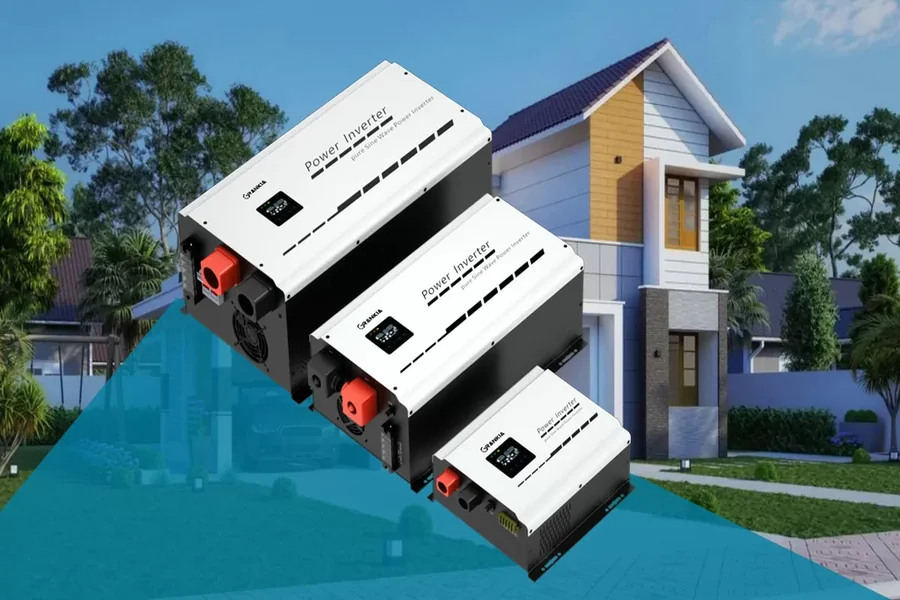
A power cut does not come with a warning. One moment, everything is running, and the next, the lights go off, the fan turns off, and the WiFi suddenly drops in the middle of a call. In such cases, a power inverter for the home is not only a convenience, it’s a requirement.
But here’s the thing. Choosing the right power inverter for home is not always simple. It can be overwhelming, with so many types, features, and techy terms flying around. Let us understand the various types and how to choose one.
What Is a Power Inverter?
A power inverter converts the energy of the battery storing electricity into the power usable for home appliances. The inverter takes over when the power goes out, so things like your fan, light, WiFi, or the fridge run depending on how big your setup is.
Best of all, you don’t even need to light a candle.
Why Should You Get a Power Inverter for Home?
In some places, the power goes out nearly every day. In some places, they are rare, but you will always feel annoyed when they occur. Moreover, these days, even a brief outage can throw off your whole schedule. No Wi-Fi, no fan, no charger.
Owning a power inverter for home provides you with:
- Peace of mind during blackouts
- A backup for work from home or online classes
- Comfort for elderly parents or young kids
- The ability to keep the home essentials running without any fuss
It is not just about luxury; rather, it is about finding a way to keep life moving when the lights go out.
Different Types of Power Inverters
These are the most prevalent types of inverters:
1. Square Wave Inverter
This is a basic type of power inverter for home. It can only power lights and fans. It is not ideal for appliances such as TVs and laptops. It might work well if your budget is tight and you only need backup just for the bare essentials.
2. Modified Sine Wave Inverter
It is just a middle-ground option. It can power lights, TVs, and kitchen appliances, but not always smoothly. In some devices, buzzing sounds or faster heating might occur. But again, it depends on the load.
3. Pure Sine Wave Inverter
This can be a great pick for a power inverter for home. It mimics the exact same type of power your home gets from the grid. That means it’s safe for everything, from your fridge to your laptop, even sensitive medical equipment. If you’re setting up a solid inverter system for your home, this is usually the one to go for. Yes, it costs more but it performs better and lasts longer.
What About the Battery?
Your power inverter for home is just the brain, and the battery is the muscle. Without a reliable battery, even the best inverter won’t get far.
Here are the common types of inverter batteries:
- Lead-Acid Batteries: Affordable, but they need regular maintenance. You’ll have to check the water level every few months.
- Tubular Batteries: A tougher, longer-lasting version of lead-acid batteries. Great if you have frequent or long power cuts.
- Lithium-Ion Batteries: Light, compact, and maintenance-free. But also on the expensive side.
The battery and inverter need to match in terms of capacity. If you’re not sure what you need, speak to a technician or local dealer—they’ll help you figure it out based on your home setup.
Handy Features to Look For in Power Inverters
When shopping for a power inverter for the home, here are a few features that actually make life easier:
- Automatic switchover: So you don’t even notice when the power goes out
- Overload protection: Prevents damage if too many plugs are plugged in
- Battery level indicator: Lets you see how much power is available
- Smart charging: Effectively extends battery life
Go beyond how many watts or volts it has. Consider what you absolutely need during a power outage, like fans, a few lights, and WiFi, and pick something that handles those comfortably.
How to Keep It Running Smoothly?
Your power inverter for home is not completely “set and forget.” A little care goes a long way. Here’s how to make it last:
- Check the battery water levels every couple of months (if it’s not maintenance-free)
- Clean the terminals if there’s any dust or corrosion
- Place it somewhere cool and ventilated not in a damp corner
- Don’t overload it by running too many devices during an outage
- Run it every now and then—even if you haven’t had a power cut in a while
Final Thoughts
A power inverter for home use is a lifesaver. No matter what, a dependable inverter system is sure to keep you in the light. From the types of inverters you can choose to the battery you use, and how to care for the system, there’s a lot to know. And ultimately, it’s about making sure your home stays comfortable, connected, and safe no matter what the electricity supply gets up to.


