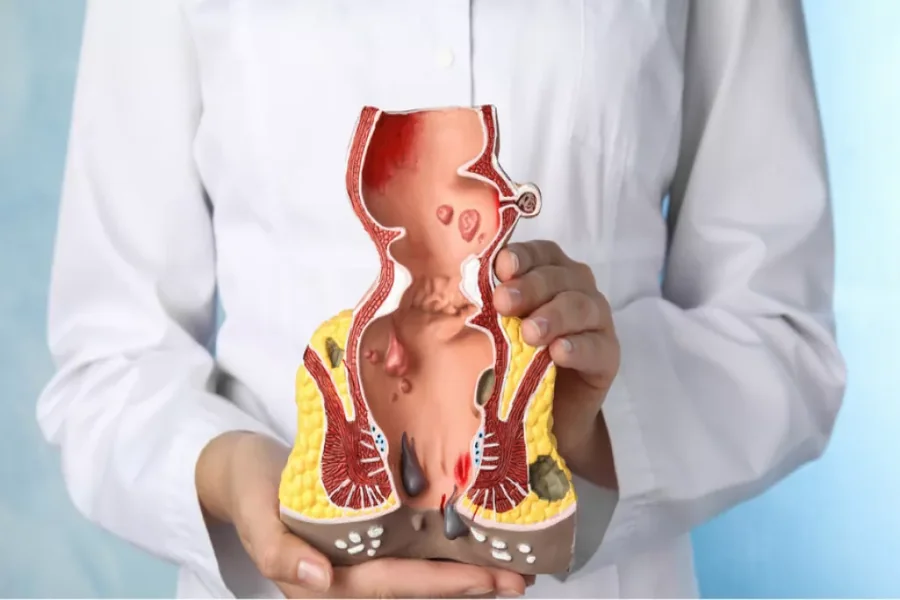
Haemorrhoids are swollen veins in the lower rectum and anus that can cause discomfort and pain. They occur when there is increased pressure on these veins.
It is this pressure which forces the veins to enlarge. Read more: https://gastrohealth.com.sg/condition/piles-haemorrhoids/.
The main reason for haemorrhoids is often related to straining during bowel movements. Chronic constipation, prolonged sitting, and even pregnancy can contribute to this pressure.
Over time, the repeated strain on these veins leads to their swelling which causes the condition known as haemorrhoids.
In many cases, the lifestyle habits and dietary choices we make also increase the risks of developing haemorrhoids. For example, sticking to diets low in fiber and high in processed foods can lead to constipation which further increases the risk.
Many people tend to ask if haemorrhoids are a serious medical concern. While they are rarely life-threatening, untreated haemorrhoids can lead to complications like severe bleeding, painful inflammation, or even thrombosis.
Can Haemorrhoids Be Removed Without Surgery?
You may need to see a doctor for haemorrhoids removal if you have symptoms which persist beyond a week, worsen, or when complications like severe pain or bleeding occur.
You may also want to see a doctor if home remedies don’t provide relief. Many people dread surgery thus the frequently asked question; can haemorrhoids be removed without surgery?
The simple answer is yes, there are several non-surgical treatments that can significantly reduce symptoms and even remove haemorrhoids. These methods are minimally invasive and are designed to reduce the swelling and discomfort associated with the condition.
One common method is rubber band ligation. In this procedure, a small band is placed around the base of the haemorrhoid to cut off the blood supply. This causes the haemorrhoid to shrink and eventually fall off.
This procedure is usually performed on an outpatient basis and does not require general anesthesia. You should expect to be able to return to your daily activities quickly after treatment.
Another non-surgical option is sclerotherapy. This involves injecting a solution into the haemorrhoidal tissue to make the veins shrink and scar.
It is intended to reduce the swelling due to haemorrhoids. Sclerotherapy is particularly useful for small to medium-sized haemorrhoids and is performed in a doctor’s office.
Infrared coagulation is another technique that does not involve surgery. In this treatment, infrared light is used to heat and destroy the haemorrhoidal tissue.
This process causes the tissue to shrink and the vein to close off. You may experience minimal discomfort during the procedure.
Other methods include topical treatments and lifestyle modifications that help with symptoms relief and encourage healing. Your doctor will assess the severity of your condition and recommend the most appropriate treatment method based on your individual needs and health status.
What Is the Best Way to Get Rid of Haemorrhoids?
The best way to get rid of haemorrhoids for you may involve a combination of medical treatment and lifestyle changes. In fact, many patients find that a combined treatment approach works best.
Usually, treatment begins with relieving the immediate discomfort and reducing the size of the swollen veins. For many people, non-surgical methods remain the first line of defense.
Rubber band ligation, sclerotherapy, and infrared coagulation for example, have proven to be effective options. Each of these procedures offers its own benefits.
Rubber band ligation for example, is often preferred because it is quick and has a high success rate. Sclerotherapy is great for patients with smaller haemorrhoids. Infrared coagulation works well for those seeking a less invasive option with minimal downtime.
In addition to these procedures, lifestyle modifications can also greatly help. For example, a diet high in fiber, including fruits, vegetables, and whole grains, can help soften stool and reduce the strain during bowel movements.
Importantly, drinking plenty of water and exercising regularly can ensure smoother digestion and prevent constipation. Over-the-counter creams and suppositories may provide temporary relief, but they should not be considered a long-term solution.
For severe cases, surgery may be recommended. This is most likely to be the case if you have tried non-surgical methods without success.
However still, it should be noted that surgery is generally reserved as a last resort due to its longer recovery period and higher risk of complications. A good doctor will tailor a treatment approach based on your condition’s severity.
How to Choose the Best Doctor for Haemorrhoids Removal in Singapore
There are many clinics that claim to provide haemorrhoids removal in Singapore. However, it isn’t wise to choose any facility without proper due diligence.
To find the best doctor for hemorrhoid removal in Singapore, it is recommendable that you start with your primary care provider, who can then recommend specialists depending on the severity of your condition. Your PCP will begin by assessing your symptoms to determine if you need to see a specialist.
They can also provide initial advice and conservative treatment options. If needed, they can refer you to a gastroenterologist or colorectal surgeon.
Gastroenterologists specialize on the digestive system. They provide treatment for parts like te the rectum and anus and can diagnose hemorrhoids.
You may want to see a gastroenterologist for haemorrhoids removal if you need non-surgical treatments like rubber band ligation. Another specialist that your PCP may refer you to is a colorectal surgeon also known as a proctologist.
These doctors specialize in surgical and non-surgical treatments of the colon, rectum, and anus. They can perform procedures like hemorrhoidectomy or stapled hemorrhoidopexy if necessary.
When choosing a doctor for specialized haemorrhoids treatment check to ensure that they’re board-certified and have extensive experience in hemorrhoid treatment, including both non-surgical and surgical options. You may also want to check online reviews and ratings to know other patients’ experiences with them.
Wrapping Up
Haemorrhoids can be both uncomfortable and disruptive. The good thing is that there are effective treatment options that can help and you may not even require surgery.
It is important to address haemorrhoids promptly to prevent complications like severe bleeding, persistent pain, and potential infections. You do not want to ignore this condition as this may only lead to worsening symptoms and more complex health issues over time.
If you are struggling with haemorrhoids and have not yet explored your treatment options, we encourage you to seek professional advice. Our specialized gastroenterology clinic in Singapore can help you achieve lasting relief through personalized treatment plans. Call or visit us today to learn more: