
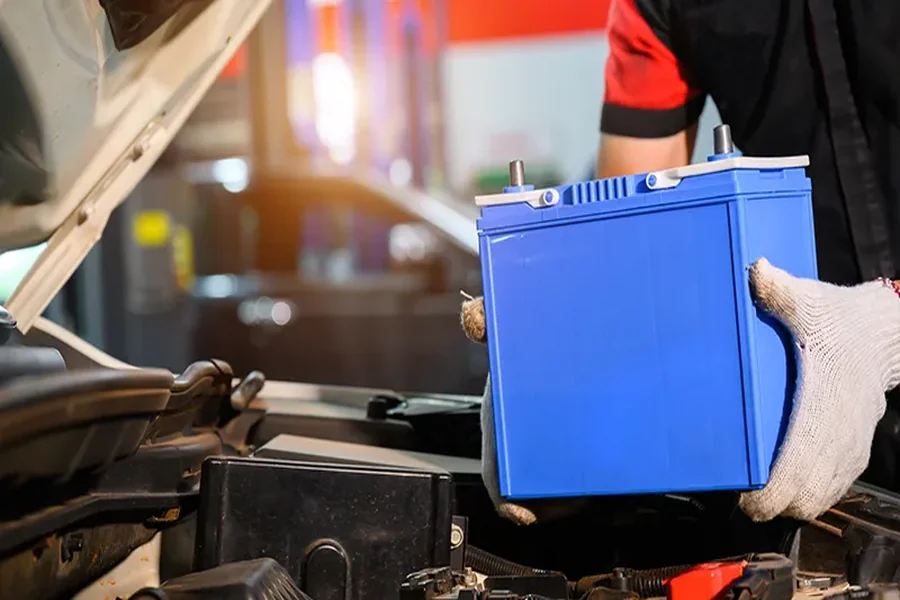
Having a car or vehicle of your own is a dream of many. When it comes to your car’s performance, the car batteries are one of the components that you cannot avoid or compromise on. It may not always be visible or flashy like the stereo system. But it is the powerhouse of your vehicle. It runs your car smoothly. Selecting the right battery is about how it matches your car’s specific needs.
To choose the right car battery, we will explore how to choose the right car batteries for your vehicle type.
Why Choosing the Right Car Battery Matters
Every car needs a battery to start. It makes sure that the engine, light and everything in the car runs smoothly. But not every car batteries is built the same. Not every car demands the same level of power. So, choosing the right car battery that supports your vehicle is important.
Different car types place different demands on the battery:
- Compact hatchbacks often have lighter electrical loads.
- SUVs and diesel vehicles require higher cranking power.
1. Identify Your Car Type and Driving Pattern
When it comes to choosing your car batteries many factors should be considered before purchase. It can include your vehicle’s brand, model, and engine type.
- For small petrol hatchbacks: These models usually have lighter electrical needs. It only requires a basic battery with standard capacity.
- For SUVs and Diesel Vehicles: These need more power to start. For dependable performance you can choose a battery with high cold cranking ability.
- For Commercial Taxis: A durable, low-maintenance battery supports daily use and reduces the risk of breakdowns.
2. Understand the Battery Specifications
Car batteries have a set of specifications that determine how well they will perform in certain conditions. Here’s what to look out for:
- Capacity (Ah): This shows how long the battery can supply power. Larger vehicles need higher capacity to support more systems.
- Cold Cranking Amps (CCA): This tells you how well the battery starts in cold weather. A higher number means stronger ignition.
- Reserve Capacity (RC): This shows how long the battery can run essential systems if the alternator stops working. It gives you backup in case of failure.
- Size and Terminal Layout: The battery must fit properly in your car’s battery tray. The terminals should also match the layout required by your vehicle to ensure a secure connection.
3. Match the Battery to Your Local Climate
Your car battery’s performance depends on the climate in your area.
- In hot regions: It is better to choose a battery that does not need regular maintenance. Look for one that is designed to lose less water over time. Materials that resist corrosion and offer protection in all weather conditions are a good choice.
- In cold climates: In this temperature you will need a battery that can provide more power to start the engine. A battery with faster cranking ability will help your car start easily.
4. Opt for Maintenance-Free and Durable Options
Modern car batteries are mostly maintenance-free. These car batteries are sealed to reduce water loss and don’t need to be refilled often.
This feature is especially useful for:
- People who drive long distances without frequent check-ups
- Fleet owners who want hassle-free operations
- New car owners are unfamiliar with battery maintenance
Many batteries available today offer durable performance with extended warranties.
5. Look for Safety and Reliability Features
The car battery is not just about performance. Safety also matters as much. The last thing you want is a battery that leaks or overheats during a drive.
Some car batteries come with helpful features that make a real difference. These include:
- Flame arresters
- Leak-proof designs
- Corrosion-resistant materials
A strong and well-built battery can help to keep your car safe under the bonnet.
6. Don’t Forget After-Sales Support
Having quick access to a reliable support team can make a big difference. Many brands now offer tools to make this easier. These may include a dealer locator to find nearby sellers. Some also provide warranty registration and customer service support to assist when needed.
A Quick Guide to Choosing Car Batteries by Vehicle Type
Car Type |
Recommended Battery Type |
Key Features |
| Small Hatchback | Simple and low-maintenance battery | Reliable for daily city use and easy to maintain |
| Family Sedan | Balanced performance battery | Reliable for daily city use and easy to maintain |
| SUV or Diesel Vehicle | High-capacity battery with strong starting power | Designed for larger engines and colder conditions |
| Commercial Taxi | Durable and maintenance-free battery | Built to handle frequent stops and long daily operation |
| Mixed Use Vehicle | Strong and long-lasting battery | Performs well across city and highway driving conditions |
Summing Up
Choosing the right car batteries plays a key role in keeping your vehicle ready for everyday drives. The battery you select should match your car’s needs. The right battery choice can support smooth starts and stable running. Once you understand the best option for your car, it is easier to choose the right option.


