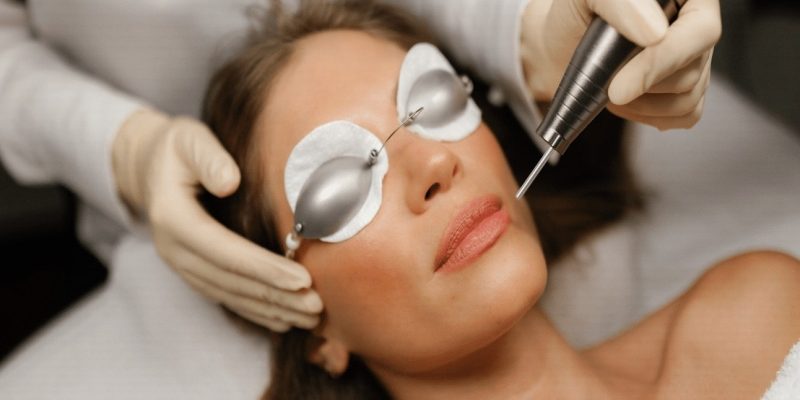
What is Laser Treatment for Pigmentation and is it Right for you?
Laser treatment for pigmentation uses focused light energy to break apart excess pigment in your skin. The melanin absorbs the light, which fragments the pigment.
Your body then clears it naturally and, in the process, the heat also triggers collagen remodelling which helps improve texture and firmness. Clinical or medical-grade laser treatments you will find in clinics that specialise in pigmentation removal in Singapore differ from cosmetic light therapies or at-home devices.
Medical lasers, like Q-switched or picosecond lasers for example, use precise wavelengths to target pigment safely under professional supervision. Cosmetic light tools like intense pulsed light (IPL) or over-the-counter gadgets work more broadly, often with gentler results.
You may want to try laser for sun damage, melasma, post-inflammatory hyperpigmentation (like dark marks after acne), and age spots. You’ll usually need several sessions. It often works better when combined with topical skincare or chemical peels to help clear pigment and reduce recurrence.
How does Laser Pigmentation Removal Work?
If you’re seeking laser for pigmentation removal, your provider will help you choose the right device based on your skin tone, how deep your pigmentation lies, and what you hope to achieve. For some skin types, they may need to do a patch test first to lower the risk of pigment darkening or other side effects.
Now, laser pigmentation removal works by sending light at specific wavelengths that melanin which is your skin’s pigment absorbs. The light converts into heat which then breaks pigment into tiny fragments. Your body then clears the fragments naturally, and some treatments also spur collagen renewal.
You’ll usually need several sessions, and downtime varies depending on the laser’s depth and intensity. Here are some of the most commonly used lasers for pigmentation removal;
- Q-switched lasers: Q-switched lasers deliver fast, nanosecond pulses that directly shatter pigment into small fragments. They are best for small, well-defined brown spots like freckles or sun spots. Because they target pigment precisely, surrounding skin remains safe. Recovery is short but expect mild redness or tiny scabs that heal in days.
- Pico-second lasers: Pico-second lasers release ultra-short bursts in trillionths of a second to effectively break pigment into even finer pieces. This makes them especially useful for stubborn or layered pigmentation like melasma. They work quickly with high precision. Redness or swelling may appear, but downtime is usually just a few days.
- Fractional lasers (non-ablative and ablative): Fractional lasers create microscopic zones of injury which triggers skin renewal and collagen production. Non-ablative versions heat tissue without removing surface skin, giving gentler results and quicker recovery. Ablative versions remove columns of skin for deeper change but require longer downtime. Both can improve pigmentation, texture, and scarring.
- Intense pulsed light (IPL): IPL is not a true laser but uses broad-spectrum light between 400–1200 nm. It targets surface pigmentation and redness in a gentler way. Because it is less precise than lasers, it may take more sessions. Downtime is minimal, often just temporary redness or darkened pigment that flakes.
Who is a Good Candidate for Laser for Pigmentation Removal?
When it comes to treatments like laser for pigmentation removal, it is important that you are a good candidate because it drastically influences both how well you’ll see results and how safely your skin responds. If suitability is overlooked, you may face poor outcomes or worse, risks like worsening pigmentation, burns, or even scarring. You may be approved for laser for pigmentation removal if you have;
- Sunspots, age spots, melasma or post-inflammatory hyperpigmentation: You’re a good fit when pigment is brown and stable, and creams or peels haven’t cleared it. Lasers target melanin to break it up. Sunspots and age spots respond fast but melasma needs gentler settings and strict sun care. Expect several sessions and combined skincare for the best outcomes.
- Good overall health: You do best when you’re not pregnant or breastfeeding and your skin is clear of infection, eczema, or acne flares. Healthy healing lowers risk of scarring or colour change. Your clinician will review medicines, sun habits, and expectations, then plans sessions and aftercare you can follow.
- Lighter skin tones (Fitzpatrick I–III): You can often use more laser types and stronger settings, with a lower risk of post-treatment darkening. Q-switched, pico, IPL, and fractional options may suit you. Even so, patch tests, sun protection, and gentle aftercare still matter to keep results even and safe.
- Darker skin tones (Fitzpatrick IV–VI): You may still be a candidate, usually with longer wavelengths like 1064 nm Nd:YAG or carefully chosen pico settings. Providers usually use lower energy, longer spacing, and patch tests to reduce darkening. Pre- and post-care, strict sun avoidance, and realistic goals are key for safety and outcomes.
How to Choose the Best Clinic for Laser for Pigmentation Removal
Choosing the right clinic for laser pigmentation removal starts with understanding your skin and your concerns. You’ll want a clinic where the practitioner diagnoses your specific type of pigmentation be it melasma, sunspots or post-inflammatory marks and tailors treatment to your skin tone and pigment depth.
A doctor or technician skilled in hyperpigmentation can guide you toward the right laser or light therapy and avoid treatments that may worsen your condition. It’s equally important to assess a clinic’s experience and reputation.
Look for signs that they specialise in pigmentation not just general aesthetic services. They shoul also have treated patients with a range of skin types and be able to explain the science behind the technology, show you before-and-after photos with similar skin profiles, and offer a thorough consultation that covers risks, expected results, and aftercare.
Be wary of any clinic that rushes consultations or can’t explain why a particular laser suits your skin. They may not be worth your investment.
Do not forget about safety and aftercare. Clinics that use up-to-date, medical-grade technologies, offer patch tests (especially for darker or reactive skin tones), and adhere to strict protocols reduce the risk of complications like burns or post-inflammatory pigmentation.
So, make sure the clinic you choose for your laser for pigmentation removal in Singapore freely discusses sun protection, skincare routines, and realistic treatment plans. When clinics combine laser work with proper skincare and recovery guidance, you can trust them to help you ensure long-term skin health.
In Closing
Laser treatment for pigmentation can effectively reduce freckles, age spots and uneven tone. However, it does help to be a good candidate and also find a good provider. A clinic that tailors treatment to your needs can give you honest and reliable advice about expected results.
If you’re in Singapore, book a consultation at our clinic for a tailored pigmentation assessment. We provide patch testing, expert-led care and personalised treatment plans to match your skin tone and goals. Call or visit us at;
