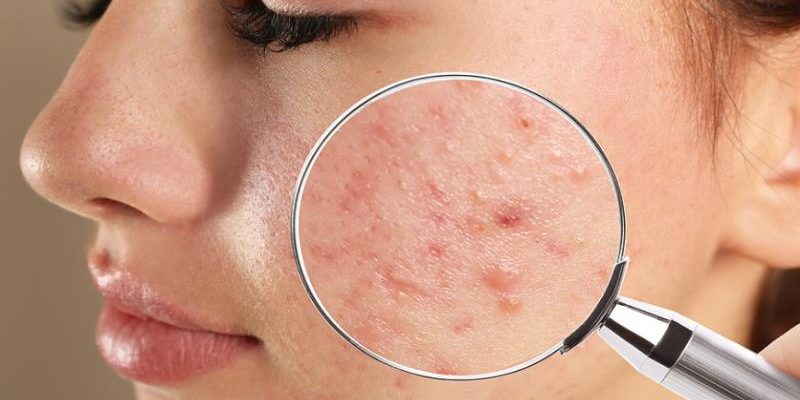
Acne Clinic Singapore: What Is Their Best Treatment For Acne?
You may be referred to an acne clinic in Singapore like this one https://apaxmedical.com/ if you’re dealing with moderate to severe acne. The acne itself is a skin condition that happens when your hair follicles get blocked by oil, dead skin cells and sometimes bacteria.
It is blockage that leads to the formation of whiteheads, blackheads, pimples, painful nodules or cysts. They can appear on your face, chest or even back.
You can usually tell it’s acne by spotting those classic types: blackheads (open comedones), whiteheads (closed comedones), papules, pustules, nodules or cysts. If the breakout is deep, tender or widespread and lasting, it’s often acne.
Other conditions like folliculitis or rosacea can mimic acne though. So, if you’re unsure, we’d recommend seeing a dermatologist for an accurate diagnosis and severity grading.
Not every case needs medical treatment. If you’re diagnosed with mild acne like just a few comedones or small pustules, your acne treatment clinic in Singapore may recommend over‑the‑counter treatments like benzoyl peroxide or salicylic acid.
If you’re dealing with moderate or severe acne, especially if painful or leading to scarring or distress, you may be prescribed topical or oral medications. The prescription would come with professional guidance.
What Treatment do Doctors give for Acne?
The first‑line treatment for acne centres on a topical retinoid. You may be given adapalene or tretinoin often combined with benzoyl peroxide.
This combination works by normalising skin cell turnover, clearing comedones, reducing inflammation and killing bacteria all in one go. It’s recommended across most mild‑to‑moderate cases as the starting point.
Then you have these other options below. These other treatments which doctors also do give for acne are usually used depending on acne type, severity or special situations:
- Topical Benzoyl Peroxide: This treatment acts as an antiseptic killing Cutibacterium acnes and also breaks down blackheads. It is available in 2.5–10% gels or creams and is used once or twice daily. It is typically suited for mild inflammatory acne. Side effects include dryness, redness and bleaching of fabrics.
- Topical Antibiotics (e.g. clindamycin, erythromycin): These treatment options for acne can be applied as creams or gels to reduce bacteria and inflammation. They’re always paired with benzoyl peroxide to avoid resistance. Topical antibiotics should be used in mild to moderate inflammatory acne for 6–8 weeks. You will need to stop as lesions improve to prevent bacterial tolerance.
- Oral Antibiotics (tetracyclines or macrolides): Doxycycline or minocycline are preferred for moderate to severe inflammatory acne. Usually, they’re prescribed for short courses, usually 3–6 months, alongside topical agents. Macrolides like erythromycin serve as alternatives in pregnancy or young children.
- Azelaic Acid or Topical Dapsone: Azelaic acid (20%) works on bacteria and skin cell turnover. Your acne treatment clinic in Singapore may recommend it when retinoids or benzoyl peroxide are too irritating. Results do appear in about a month. Dapsone gel (5% or 7.5%) is used mainly in women or darker‑skinned individuals to reduce inflammation without antibiotic use.
- Hormonal Therapies (combined oral contraceptives, spironolactone): Your acne treatment clinic in Singapore may recommend these treatments if you’re a female diagnosed with hormonally influenced acne. COCPs regulate androgen levels; spironolactone blocks androgen receptors in sebaceous glands. Both are for moderate inflammatory acne unresponsive to topicals and require several months to take effect.
- Oral Isotretinoin: This is a vitamin‑A derivative prescribed for severe nodular acne, scarring pain or treatment‑resistant moderate cases. Course lasts 4–6 months, often clearing acne permanently. Side effects like dryness, sun sensitivity and birth defects demand monitoring.
What is the Best Treatment for Acne in Clinic?
If you have had to deal with acne, you probably fully understand how frustrating it can be. With this in mind, the primary question you might have in mind when planning to visit an acne treatment clinic in Singapore is; what is the best treatment for acne in clinic?
The answer is oral isotretinoin. It is the acne treatment with the highest success rate. When managed in clinic, about 80–95 % of people complete a course with dramatic and lasting clearance, especially when a cumulative dose of around 120 mg/kg is reached.
But not every acne case is the same. When visiting a top acne treatment clinic in Singapore, here’s how they will help you choose the right treatment just for you:
- Full clinical assessment: The clinic will take your medical history, assess acne type (inflammatory, hormonal, nodulocystic), skin sensitivity and scarring. They’ll then review previous treatments and side‑effect risk. This lets your dermatologist tailor a treatment plan; perhaps isotretinoin, topical retinoids plus benzoyl peroxide, hormonal therapy or laser based on how your acne behaves and what you’ve tried before.
- Lab tests and monitoring: If oral isotretinoin is considered, they’ll order blood tests (liver function, lipids, pregnancy test if relevant) before and during treatment. Regular monitoring ensures dosage is safe and side‑effects minimal. This careful oversight supports achieving the target cumulative dose while protecting your health.
- Personalised dosing plan: Your provider may start on a low dose (e.g. 0.3–0.5 mg/kg/day) and gradually increase toward the recommended cumulative total (≈120 mg/kg). This approach balances efficacy with tolerability. They’ll adjust timing and dose until your skin responds. This will help keep side‑effects manageable and lower relapse risk.
- Adjunct treatments and maintenance: Many clinics often add topical agents (like benzoyl peroxide, adapalene or clascoterone) or hormonal therapies (e.g. spironolactone in women) to boost results and prevent relapse. They may also discuss light or laser treatments (e.g. AviClear) if you prefer non‑drug options or have resistant acne, depending on your skin type and acne severity.
- Support and follow‑up care: In a good acne treatment clinic in Singapore, your treatment won’t end the moment you walk out of the gate. Once you’ve completed your treatment plan, you will be given tailored guidance on skincare routines, dietary triggers, sun protection, and expectations. They will also schedule follow‑up visits to monitor progress, side‑effects and adjust therapy. If acne returns, your team can restart or switch treatment courses to ensure long‑term remission tailored to you.
Closing Thoughts
There are several options for acne treatment. In a good acne treatment clinic in Singapore, the specific acne treatment you will be given will target the specific stage in your acne development. A good doctor will often start with topicals and add others based on how your skin responds. They will also adjust the plan to reach steady control and prevent relapse.
At APAX Medical & Aesthetics Clinic, our team offers tailored acne treatments from gentle topicals to advanced therapies. We’ll work with you to build a plan suits your skin, lifestyle. To learn more, book your consultation today by calling or visiting us at;
