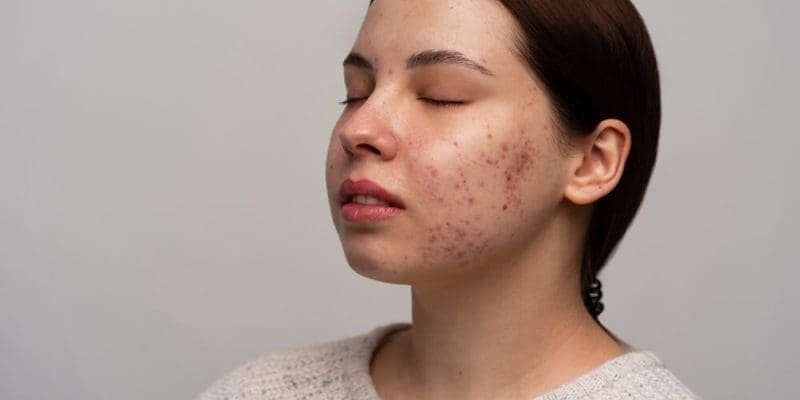
Adult Acne Treatment in Singapore: What Actually Works
We would be lying if we told you that acne is “just a phase” that everyone overcomes after puberty. For some people, acne can still persist even after their adolescence. Others may have evaded this dreaded teen phenomenon, but come face-to-face with it during their adulthood. If you are experiencing acne in your late 20s, then you are dealing with adult acne. The cause of this condition varies, but thankfully there are also different ways to treat adult acne.
What causes adult acne?
Acne that occurs past the age of 25 is considered as adult acne. The factors that cause adult acne is similar to acne experienced by teens, but there are also other reasons that contribute to the occurrence of this condition among adults.
The common reasons directly contributing to acne development are:
- Bacteria
- Clogging of pores
- Inflammation
- Production of excess oil
Aside from these, the following factors may also cause acne in adults:
- Changes in hormones
- Cosmetic products
- Unhealthy diet and habits
- Hair products
- Medications, such as anabolic steroids, corticosteroids, lithium
- Menstrual cycle in women
- Skincare products
What are the types of acne?
Acne can be generally classified into two types?
- Comedones
- Inflammatory lesions
Comedones. Comedones occur when a hair follicle gets blocked with dead skin and oil. The blockage then develops into bumps on the skin’s surface called blackheads and whiteheads. Blackheads can be identified through tiny openings in the skin that are black in colour. Whiteheads are small raised bumps that are white in colour. This type of comedones inhibits the hair follicle from erupting to the skin’s surface due to the clogged dead skin cells and oil.
Inflammatory lesions. There are four types of inflammatory lesions:
- Cysts
- Nodules
- Papules (pimple)
- Pustules
Cysts are identified by large bump protrusions on the skin that are filled with pus. They are painful and may appear like boils. Cysts are considered as a severe type of acne.
Nodules are raised bumps on the skin caused by inflammation that happens deep in the skin. They are firm and painful when touched.
Papules appear on the skin as a group of small inflamed bumps that are pink or red in colour. They may cause discomfort when touched.
Pustules are also caused by inflammation in the skin. This type of acne can be determined by a bump that is filled with yellow or white pus that is surrounded by a red patch.
It can be enticing to pick or squeeze comedones and inflammatory lesions, but it is best not to. Doing so can cause irritation and infection, which can lead to worsen the state of your acne. Picking and squeezing acne can also lead to scarring. Acne treatments should be entrusted only to experts.
What are the effective ways to treat adult acne?
There are several effective treatments available to treat adult acne in Singapore. These treatments can be done through:
- Laser procedures
- Medication
- Radiofrequency procedure
Laser procedures. Lasers are powerful equipment that are commonly used in aesthetic procedures. These are the four types of lasers that produce topnotch acne treatment results:
- Proyellow Laser
- Long Pulse Laser
- Curas Advanced Nano Laser
- Pico Laser
To treat acne, lasers produce energy-charged light beams that penetrate through inflammatory acne lesions and target the factors that cause acne. The laser lessens skin inflammation by reducing P. acnes bacteria and disrupting the overproduction of the sebaceous glands. Aside from treating acne, lasers also improve the skin and prevent the formation of acne scars.
Medication. Acne can also be eliminated successfully through the use of medication that can be taken orally, applied topically, or injected. These medications have active ingredients that address the factors causing acne in adults. Examples of medications that are usually used by doctors to treat acne are:
- Oral Medications
- Anti-androgens – Aldactone (spironolactone)
- Antibiotics – Amoxicillin, doxycycline, erythromycin, minocycline, trimethoprim-sulfamethoxazole
- Contraceptives – Estrostep, Orthro Tri-Cyclen
- Isotretinoin – Accutane, Amnesteem, Claravis, Abosrbica, Zenatane
- Injectable Medication
- Cortisone – Triamcinolone
- Topical Medications
- Adapalene – Differin
- Altreno
- Azelaic acid
- Benzoyl Peroxide
- Clascoterone – Winlevi
- Epiduo
- Salicylic acid
- Tazarotene – Fabior, Tazorac
- Tretinoin
- Trifarotene – Aklief
- Topical clindamycin
- Topical spironolactone
While some medications may be bought over-the-counter without prescription, it is always best to consult with an aesthetic expert and receive guidance on how to use medications to treat acne to ensure your overall health’s safety. Improper use of medications to treat acne can make it worse, cause permanent damage to the skin, and lead to other health complications.
Radiofrequency procedure. Radiofrequency uses tiny needles that deliver heat energy into the surface of the acne lesion, creating tiny wounds that trigger the body to produce collagen to aid the skin’s healing.
What are other ways to help manage acne treatment?
Here are other best practices that you can do at home if you are undergoing treatment for adult acne:
- Choose gentle hair and skincare products – Some products have very strong ingredients that can irritate the skin and cause acne. Always read the labels and look for skincare products that are non-comedogenic to avoid clogged pores. Avoid products that contain coconut butter and cocoa as they can aggravate acne.
- Change your diet – Certain foods can cause acne. If you have been consuming dairy and sugars, it is ideal to cut back on them if you would like to lessen the inflammation in your body.
- Clean items that touch your face – If you use accessories or devices, such as eyeglasses, mobile phones, that touch the surface of your face, be sure to clean them to avoid bacteria from causing more havoc to your skin.
- Do not pick or pop pimples – Popping pimples will irritate the skin and cause the infection to spread further.
- Keep your hands off your face – Our hands touch a lot of things that may be breeding grounds for bacteria. Avoid touching your face with unclean hands so your acne condition does not get any worse.
- Remove makeup – No matter how tired you are from a day’s work, remember to remove all makeup from your face before going to bed. Leaving makeup on your face can cause blocked pores and bacteria to breed, causing acne.
- Wash your face – At least wash your face twice a day to keep it free from oil and dirt that can build up in the pores.
Ozhean Zoey Medical & Aesthetic Clinic
#04-10 Triple One Somerset
111 Somerset Road
Singapore 238164
+65 6235 4534
